March 2020 Blog Post – Religion and the Social Brain Series

    The Brain Opioid Theory of Social Attachment (BOTSA): How Religious Rituals Bond Groups of People Together   Leon Turner       The Brain Opioid Theory of Social Attachment (BOTSA) is based upon the strong behavioural and emotional similarities exhibited by those involved in intense, close relationships and those addicted to narcotics. According to BOTSA, social bonding in mammals is underpinned by a crucial psychopharmacological mechanism – The Endorphin System.   While they all have their origin in the brain’s pain control mechanisms, endogenous opioids are involved in a wide range of physiological, behavioural and neurobiological systems including consummatory reward, addiction, sexual activity, mental illness, affective states, memory and learning, digestion, parturition, respiration, appetite and thirst, renal function, temperature regulation, metabolism, immunity and cardiovascular regulation.  

By |2020-03-13T18:41:59+00:00March 13th, 2020|Categories: Blog|

February 2020 Blog Post – Religion and the Social Brain Series

Religion and the Social Brain Summary of Findings and Conclusions Fraser Watts     ISSR has recently completed a research project on Religion and the Social Brain, funded by the Templeton Religion Trust (TRT 0153), looking at the evolution of religion from the perspective of the ‘Social Brain’ theory of human evolution developed by Robin Dunbar. For Social Brain theory, religion is not an incidental feature of human evolution; it is crucial to the success of human evolution. The purpose of this blog is to summarise what we have found.   The theoretical background will be introduced in next month’s blog by Leon Turner on the Brain Opioid Theory of Social Attachment (BOTSA). However, in brief, it is assumed that religion evolved gradually and rather piecemeal; it is

By |2020-02-08T19:16:11+00:00February 8th, 2020|Categories: Blog|

January 2020 Blog Post: ISSR @ AAR

Dear ISSR Member, I hope you had an excellent holiday! I myself enjoyed seeing family and old friends and enjoying snowy walks along Northern Ontario trails. However you spent your time, I trust you are rested and ready for a new year and a new decade. Before I continue, I would like to remind everyone that our newsletter is composed of items that you send to me that you believe would be of interest to the wider ISSR community. Whether this is research projects, position openings, conferences, call for papers, whatever, our community thrives by being engaged in the excellent work you do and the opportunities and news available in the field of science and religion. If you have anything you would like to share for the first

By |2020-01-06T19:59:58+00:00January 6th, 2020|Categories: Blog|

December 2019 Blog Post: Theological Ethics and the Superficiality of Moral Bioenhancement Discourse

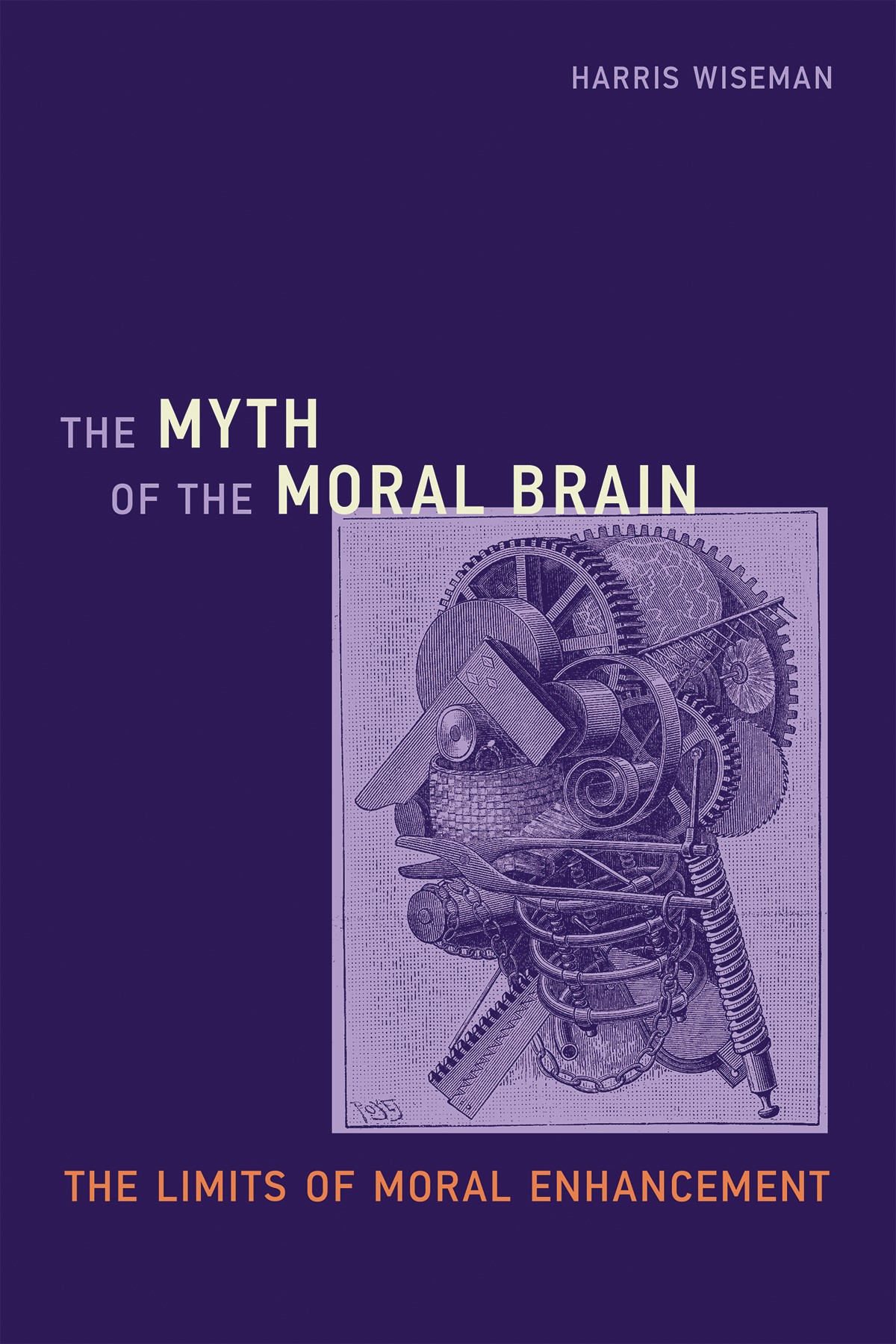
Dear ISSR Member, I first must apologize for the delay in getting this month's blog post sent out. A slight delay was presented to me followed by my engagement with final essays, grading, and invigilating exams. But, I am happy to now get this month's blog posted and made available to you. This month I have the great honour of announcing that Harris Wiseman has contributed a piece for this month's blog. Bringing us insights from his MIT Press book, The Myth of the Moral Brain (2016), Wiseman asks us to think about the theological, moral, and ethical implications of bioethics, and the various ways in which these interact in our social milieu. I had the privilege of listening to Wiseman discuss this book to me directly, and I

By |2019-12-20T20:47:12+00:00December 20th, 2019|Categories: Blog|

November 2019 Blog Post: Neuroscience in the Service of Religion

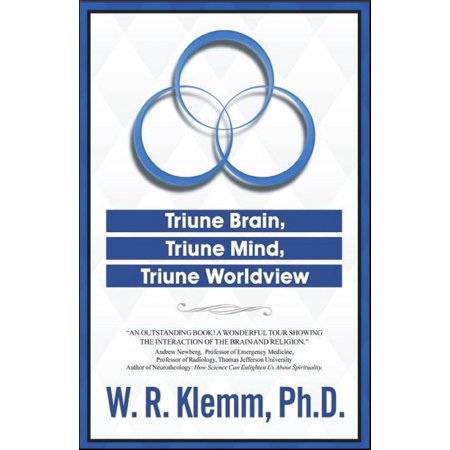
Dear all, I hope you are doing well, and that October was a healthy and productive month for you. We have had some exciting initiatives begin, with the new Fellowship nominations coming in and a free book offer (both ending this month--see the last email sent), plus more to come soon. Today, however, I want to introduce our next blog post by William Klemm. Titled, “Neuroscience in the Service of Religion”, Klemm submitted this blog to coincide with the recent launch of his new book, Triune Brain, Triune Mind, Triune Worldview (2019). We think that you will not only enjoy this blog post but also his new book. Because Klemm has included figures and graphics into his post, you will need to access the post via this link:

By |2019-11-09T16:36:59+00:00November 9th, 2019|Categories: Blog|

Blog – October 2019: Science and Belief in Society Conference

Dear all, This month’s blog is about sharing with you details regarding the International Research Network for the Study of Science and Belief in Society (INSBS) conference that was held at the beginning of July 2019 at the University of Birmingham. I myself was in attendance for this conference on behalf of the ISSR and was pleased with the size, atmosphere, and quality of scholarship on display. Many of our own Fellows and Associates were in attendance, presenting, and conducting keynote lectures. INSBS shares a common interest in the intersection of science and religion, and ISSR believes that together we can better build the field. Enjoy the blog, Anthony Nairn     Drawing boundaries: Reflections on the Science and Belief in Society conference, Birmingham 4th – 6th July, 2019

By |2019-10-10T18:40:11+01:00October 10th, 2019|Categories: Blog, Science & Religion News|

September 2019 Blog Post – Conference Reflections

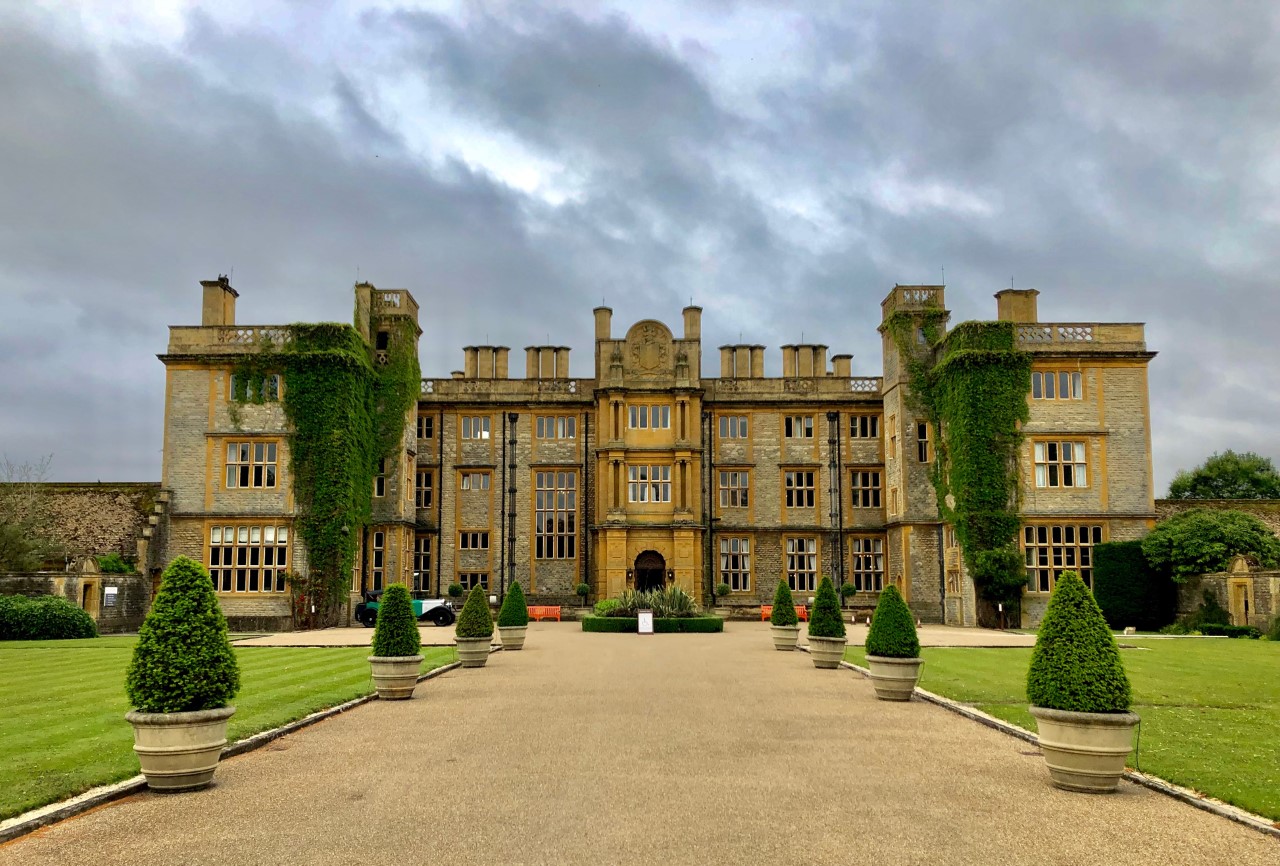
Greetings all,   First, I have to apologize for the time-gap between our last blog post and this one. We were having website difficulties that were preventing us from doing the work necessary to accomplish basic tasks, however, thanks to our IT team we have now updated and fixed many of the problems that some of you (and myself!) have faced on the website. If you come across any difficulties moving forward, please email me (admin@issr.org.uk) and let me know. We will do our best moving forward to maintain the websites smooth operations. This month is a reflection of our very successful Summer Conference which occurred near the end of July at Eynsham Hall Hotel outside Oxford. Personally, I had a wonderful time and learned many new things---what

By |2019-09-14T20:58:14+01:00September 14th, 2019|Categories: Blog|

June Blog Post – Science and Religion: An Introduction for Youth by Holmes Rolston III

Science and Religion: An Introduction for Youth by Holmes Rolston III I myself have thought about how science and religion fit together since I was a teenager. Now in my mid-eighties, I realize that youth today face an unprecedented hinge point in the 45 million centuries of life on Earth. Our species, the so-called wise species, Homo sapiens, is jeopardizing the future of this wonderland home planet. Science and religion are still most important forces in decisions for the crises of the new millennium. But how so?  Isn’t there some novelty in how they relate today? I had written an academic book, mid-career, a critical survey of issues in the field, successful enough to bring me an invitation to give the Gifford Lectures at the University of Edinburgh. Could I simplify that book for

By |2019-06-13T23:29:19+01:00June 13th, 2019|Categories: Blog|

The Contribution of Religion to Ethics by Michael J. Reiss

How should we decide what is morally right and what is morally wrong? For much of human history, the teachings of religion were presumed to be a large part of the answer. Over time, two developments challenged this. The first was the establishment of the discipline of moral philosophy. Foundational texts, such as Kant’s Groundwork of the Metaphysics of Morals, and the growth of coherent, non-religious approaches to ethics, notably utilitarianism, served to marginalise the role of religion. And then the twentieth century saw the rapid growth of evolutionary biology with an enthusiastic presumption that biology was the source of ethics. What space do such developments leave for religion in ethics?   One can be most confident about the validity and worth of an ethical conclusion if three

By |2019-05-03T19:11:38+01:00May 3rd, 2019|Categories: Blog|Tags: , , |

April 2019 Blog Post: “The Problem of Evil, Divine Action, and Science” by Thomas Jay Oord

Greetings all,   It is my pleasure to share with you our latest blog. It has been some time since our last post, but my hope is to have one go live on the first Friday of each month. We have an exciting schedule of posts coming up, and as always we encourage you, our Fellows and Associates, to send in suggestions and drafts for review to be considered for new content. This months post (below) is by Thomas Jay Oord, and we are excited by the thought provoking questions it raises. This blog represents some of the thinking that went into Oord's newest book, God Can’t: How to Believe in God and Love after Tragedy, Abuse, and Other Evils (2019).    All best,   Anthony Nairn     The

By |2019-04-13T23:49:10+01:00April 6th, 2019|Categories: Blog|Tags: , , , |

Go to Top