March 2026 Blog

Evolution and Eternity  Rupert Sheldrake   The twentieth-century revolution in cosmology threw science into a slow-moving crisis that is still unfolding. Before the Big Bang theory became orthodox after 1966, physicists used to think that they were studying an eternal universe, governed by timeless mathematical laws, consisting of a fixed amount of matter and energy that was preserved forever according to the principles of conservation of matter and energy. These fundamental realities of physics were not altered by anything that actually happened. The evolution of life on earth made no difference to them, nor would the extinction of all life on our planet. The laws of nature and the total amount of matter and energy would always be the same.   The idea that the universe was born
May 2024 Blog Post

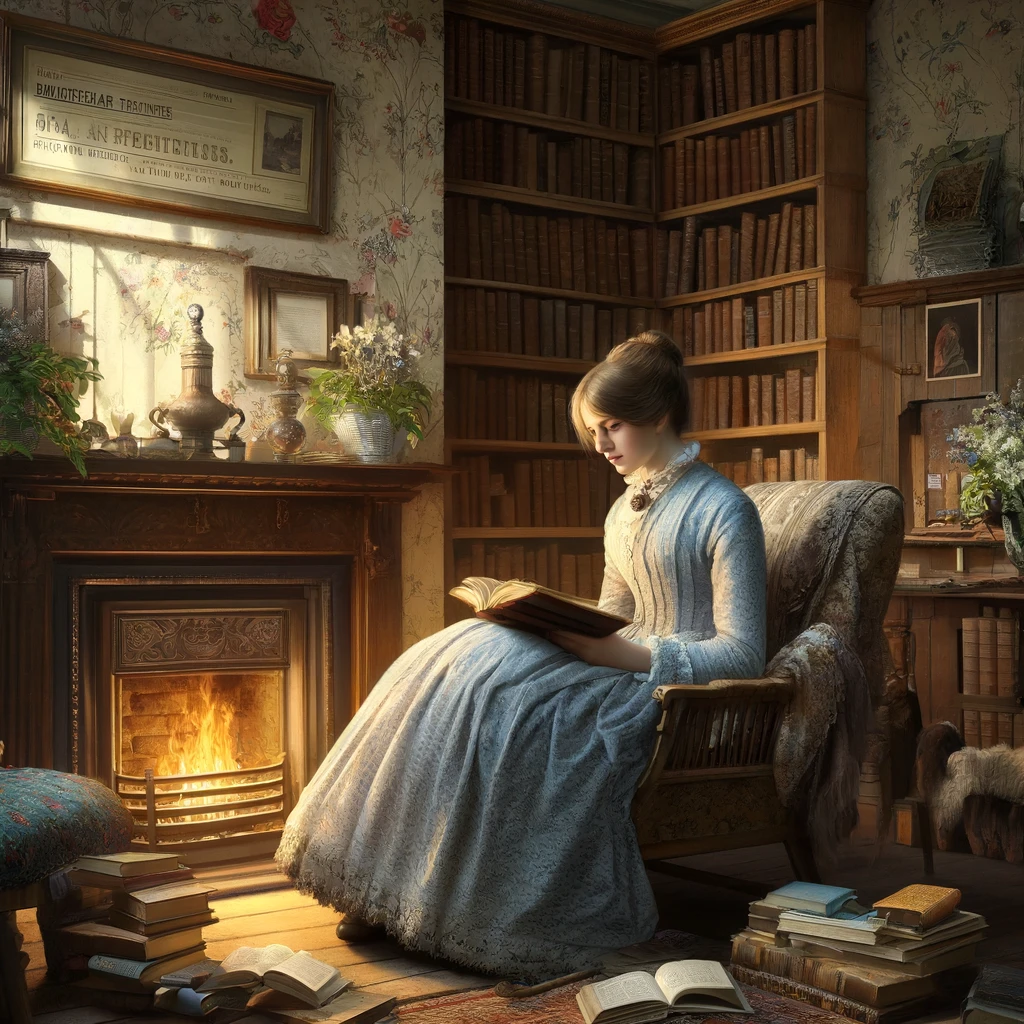
Science and Religion from the Ground Up   What did fourteen-year old physician’s daughter Ellen Parry think about science and religion as Queen Victoria came to the throne in 1837?  What was she reading in her comfortable family home on the outskirts of Bath that helped her and others of her generation to navigate the latest scientific findings and contemplate their significance in relation to the feelings and concerns of everyday Christianity?  And why might we care?     So often, our histories of science and religion have been written from the perspectives of religious or scientific specialists – often male, often wealthy, often white. My new book Reading the Book of Nature: How Eight Best Sellers Reconnected Christianity and the Sciences on the Eve of the Victorian Age

Go to Top