
October 2026 Blog

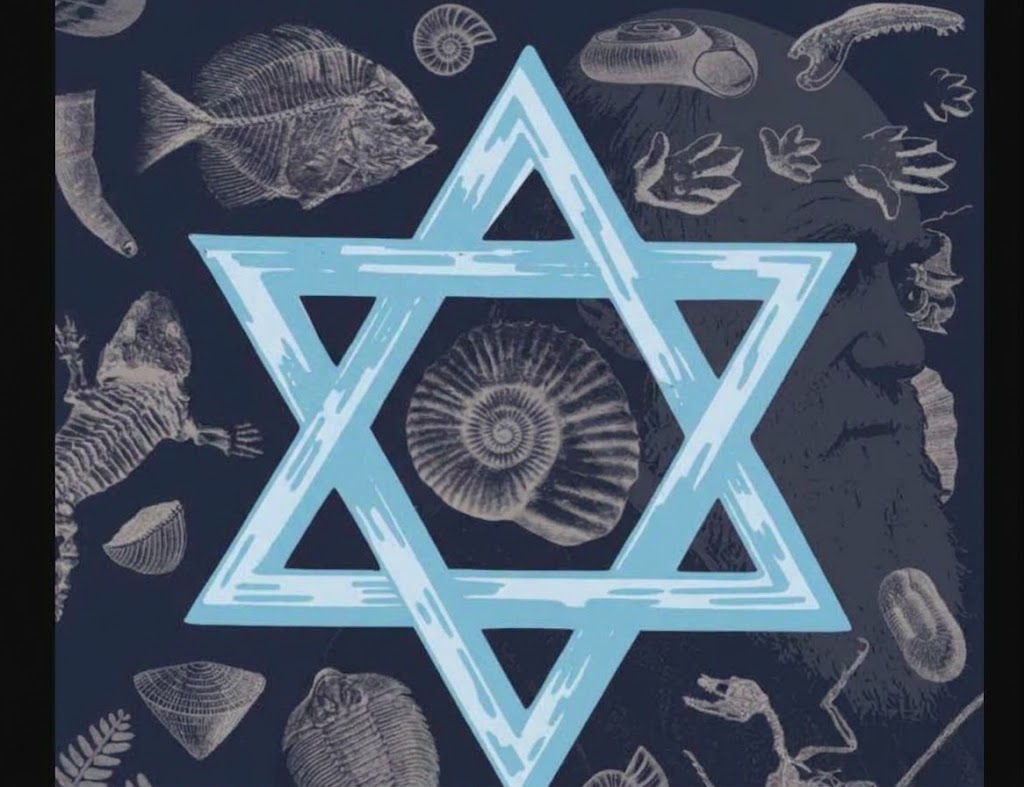
When Darwin met the Jews by Daniel Langton   When Charles Darwin published On the Origin of Species in 1859, he could hardly have anticipated that within fifteen years his ideas would be expounded in Hebrew and compared with the teachings of the ancient Jewish sages. Yet in 1874 Naphtali Levy, a traditionally educated Polish Jew, published Toldot Adam (The Origins of Man), one of the earliest substantial Hebrew engagements with Darwinian evolution. Having encountered the Origin in German translation, Levy became convinced that modern science could illuminate – and sometimes correct – traditional Jewish understandings of the natural world. Levy delighted in finding anticipations of evolutionary ideas in rabbinic literature. Genesis 2:7 describes God forming Adam from “dust from the ground” (afar min ha-adamah). Levy cited Genesis

May 2025 Blog

Humanity, Our Microbiome, and Our Relationship with God Dr John F Pohl MD DThM   From a metaphysical perspective, advances in science are very helpful in expanding our definition and understanding of God.  The discovery of a vast and expanding universe aids in our realization that humans are just a tiny part of God’s wonderful creativity.  Ideas surrounding quantum indeterminacy suggest that the substratum of reality may indeed be random and, thus, have creative potential for nature.  Do such metaphysical considerations exist in the biological sciences?  Yes, when one considers the human microbiome and its effect on our species. The human microbiome is immense and consists of approximately 10¹³ microorganisms for which the majority of these tiny creatures exist within the human gastrointestinal (GI) tract.1,2 Although bacteria dominate the

Go to Top