March 2023 Blog

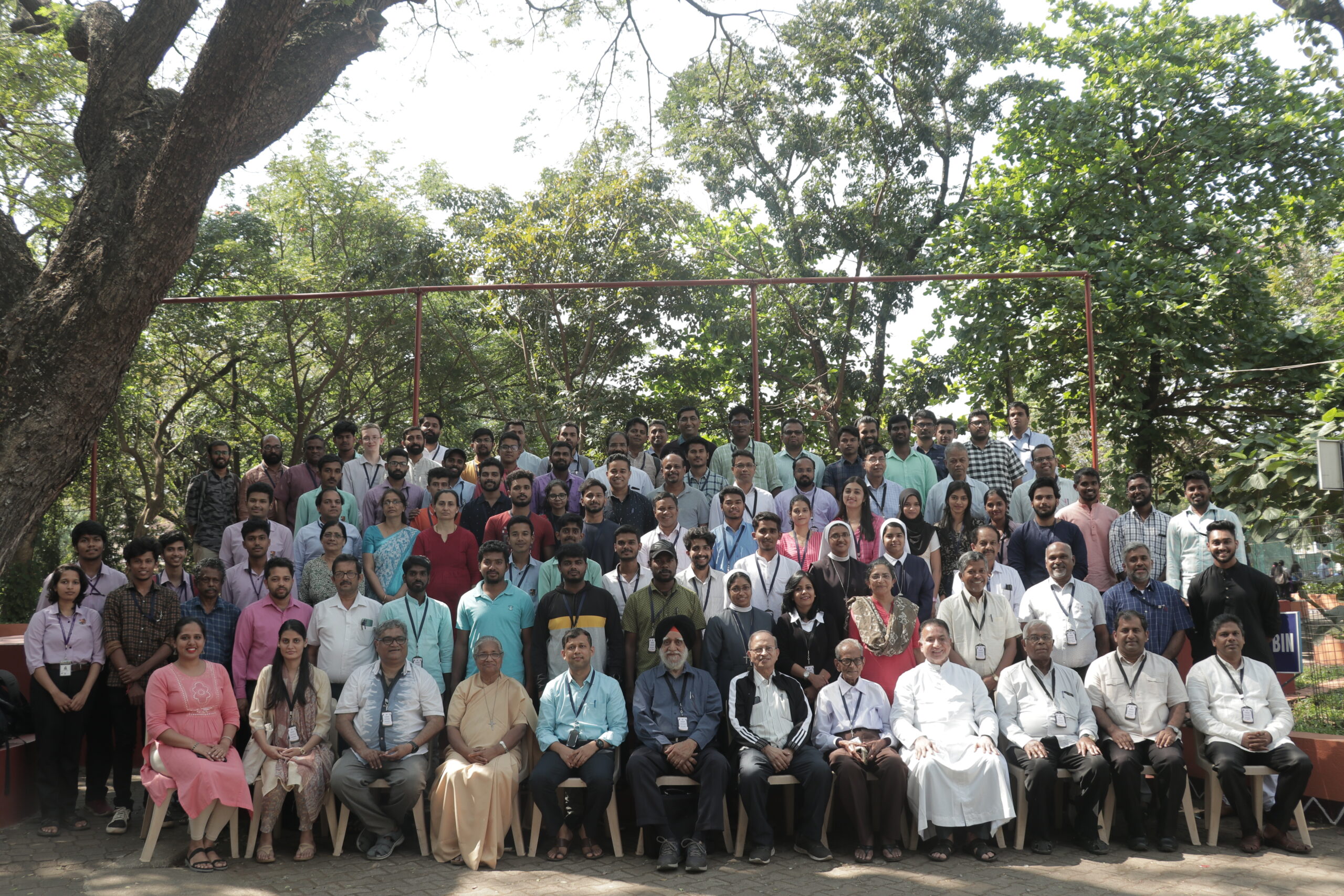
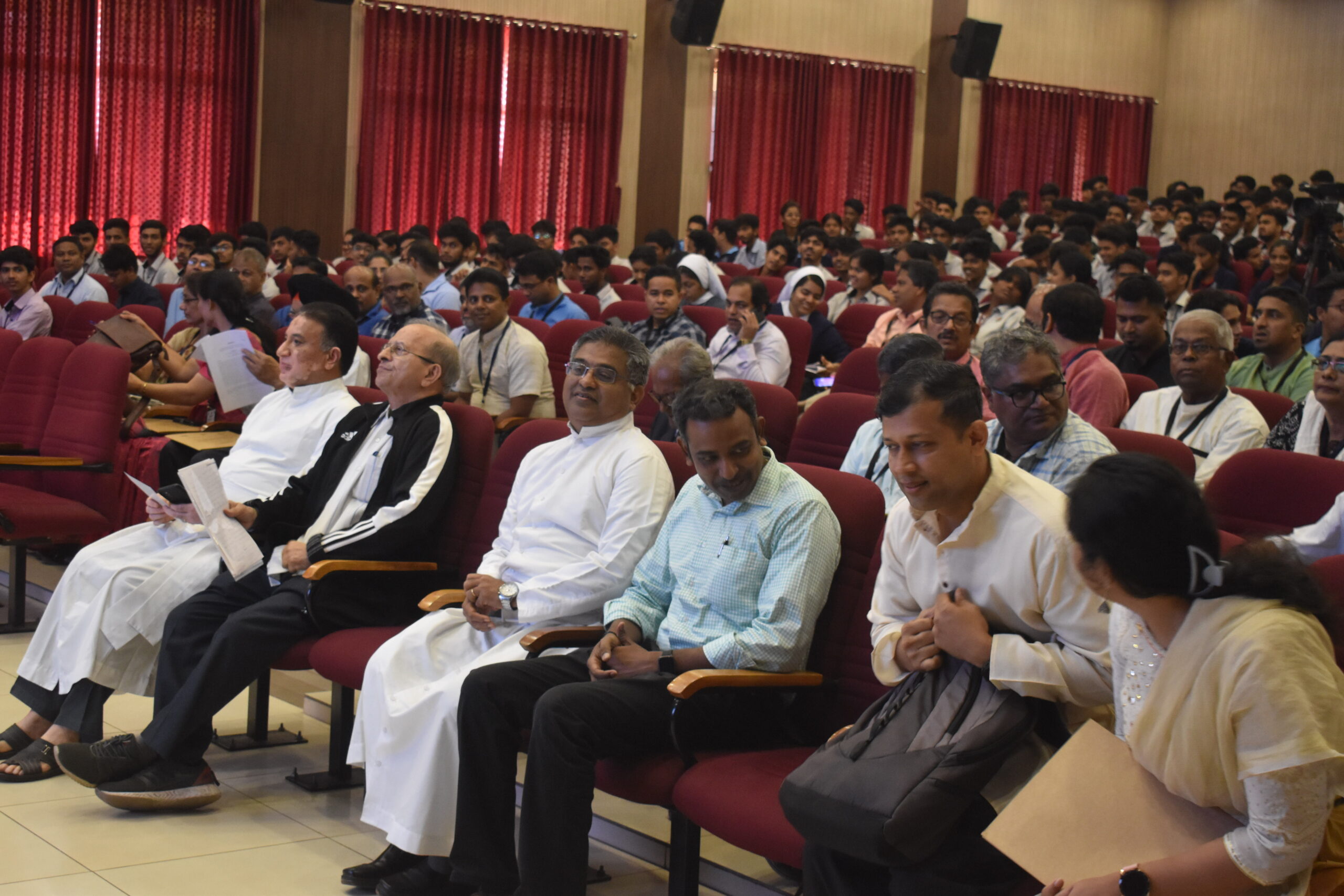
IISR Delhi International & National Symposiums AI-Robotics Revolution & Science-Religion Dialogue Job Kozhamthadam, SJ.   Ever since its inception 25 years ago, IISR (Indian Institute of Science and Religion) Delhi has been organizing much-appreciated international symposiums on cutting-edge developments in science and technology and their impact on human society and religion. These megaevents have been IISR’s attempt to translate into practice its ambitious vision of blending harmoniously the latest findings of modern science and the deepest insights of religions to build up a better humanity, a richer world and a more humane India, particularly in the multireligious, multicultural and multiracial fabric of India. In the past it has organized 13 international symposiums on epoch-making scientific breakthroughs like the discovery of the God-Particle (Higg’s Boson) in 2012, discovery of
By |2023-03-16T01:07:48+00:00March 16th, 2023|Categories: Blog|Tags: , , , , , , |

February 2023 Blog

Spiritual Intelligence by Fraser Watts The apparently simple little adjective, “spiritual”, is more complicated than it looks, and there are significant issues about what it means. It is currently being used in a variety of contexts. I will focus mainly here on spiritual intelligence, but also briefly note parallel discussions about spiritual healing, and the spiritual turn. There is talk of “spiritual healing”, but what is “spiritual” about such healing? Some years ago Sarah Coakley and I jointly led a consultation on spiritual healing. In subsequent publications we have both grappled with how to conceptualise spiritual healing. In her recent book, Spiritual Healing: Science, Meaning and Disenchantment, Coakley makes a distinction between healing that is not strictly physical and healing that is framed in terms of God. In

By |2023-02-16T15:32:16+00:00February 15th, 2023|Categories: Blog|Tags: , , , , , , |

January 2023 Blog

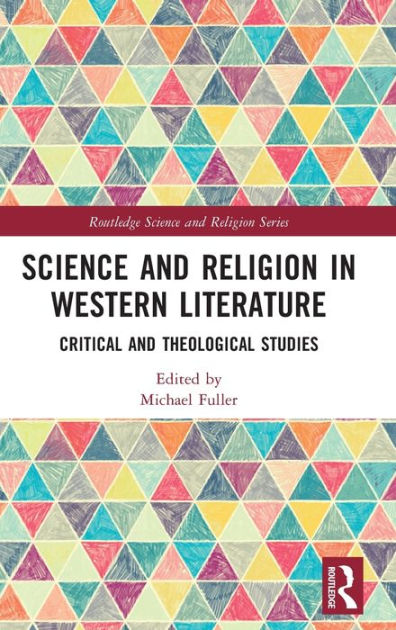
Science, Religion … and Literature by The Revd Canon Dr Michael Fuller   How do people engage with issues around science and religious belief? Readers of this blog will of course be familiar with the contours which the ‘science and religion debate’ have followed since Ian Barbour’s groundbreaking work in the 1960s: the search for philosophical, methodological and historical ‘bridges’ which might link these two areas of human activity, the focus on ‘hot topics’ like divine action and the mind-body problem, and so on. More recent developments have seen the extension of the field of science and religion studies to acknowledge non-Western religious traditions – and to acknowledge also the richly varied nature of the scientific enterprise. Science and religion are now rightly thought of as complex

November 2022 Blog

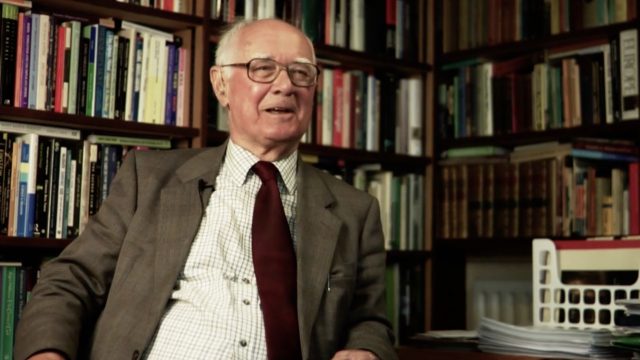
John Polkinghorne – a dear academic, theological and personal friend Michael Welker     In 1993 the Center of Theological Inquiry in Princeton, under the leadership of Dan Hardy, sponsored a four-year consultation in which an interdisciplinary group of scholars (including the fields of cosmology, physics, biology, chemistry, environmental studies, philosophy, religious studies and theology) moved from an exchange via different disciplinary and individual academic approaches to the dialogue between science and theology. This is where John Polkinghorne and I met and first became intellectual friends and then, in the course of several years, also personal friends.   Together we developed international and interdisciplinary consultations and conferences, cooperated in the publication of articles and books, and even wrote one book together. John received the prestigious Von Humboldt Research

September 2022 Blog Post

Feeling Science, Thinking Religion Donovan Schaefer On a warm autumn evening at St. Anne’s College, Oxford, a group of scientists, theologians, and philosophers sat down for a candle-lit dinner to discuss the relationship between science and religion. Our speaker was physicist Andrew Briggs, and his topic was “Theory in Science and Faith.” But instead of starting with God, Prof. Briggs began with science; and not science as an institution, as truth, or even as a set of ideas, but as an experience. “I confess,” he told us, “that my engagement with a scientific problem produces an extraordinary cycle of effects in me: until I have understood something to my satisfaction, or solved a problem—or even got an experiment to work—I go through a physical pain which can be

By |2022-09-15T21:07:04+01:00September 15th, 2022|Categories: Blog|Tags: , , , , , , , |

April 2019 Blog Post: “The Problem of Evil, Divine Action, and Science” by Thomas Jay Oord

Greetings all,   It is my pleasure to share with you our latest blog. It has been some time since our last post, but my hope is to have one go live on the first Friday of each month. We have an exciting schedule of posts coming up, and as always we encourage you, our Fellows and Associates, to send in suggestions and drafts for review to be considered for new content. This months post (below) is by Thomas Jay Oord, and we are excited by the thought provoking questions it raises. This blog represents some of the thinking that went into Oord's newest book, God Can’t: How to Believe in God and Love after Tragedy, Abuse, and Other Evils (2019).    All best,   Anthony Nairn     The

By |2019-04-13T23:49:10+01:00April 6th, 2019|Categories: Blog|Tags: , , , |

Go to Top