November 2023 Blog Post

Discovering the AI in your life By Berry Billingsley with additional creative input and expert knowledge by Ted Selker Dr Berry Billingsley is Professor in Science Education at Canterbury Christ Church University. Dr Ted Selker is a computer scientist and a designer of new ways to interact with machines.   For decades we've been told to expect artificially intelligent machines and for decades we've prepared ourselves and each other with stories about what they will be like. But Asimov’s stories about robots didn’t prepare us for GenAI chatbots like Bing Chat, Bard and ChatGPT. And I think I am probably more affected than most. My interest is not only personal but also professional. As a teacher and university academic I run workshops for students of all ages to

By |2023-11-16T00:17:30+00:00November 16th, 2023|Categories: Blog|

October 2023 Blog

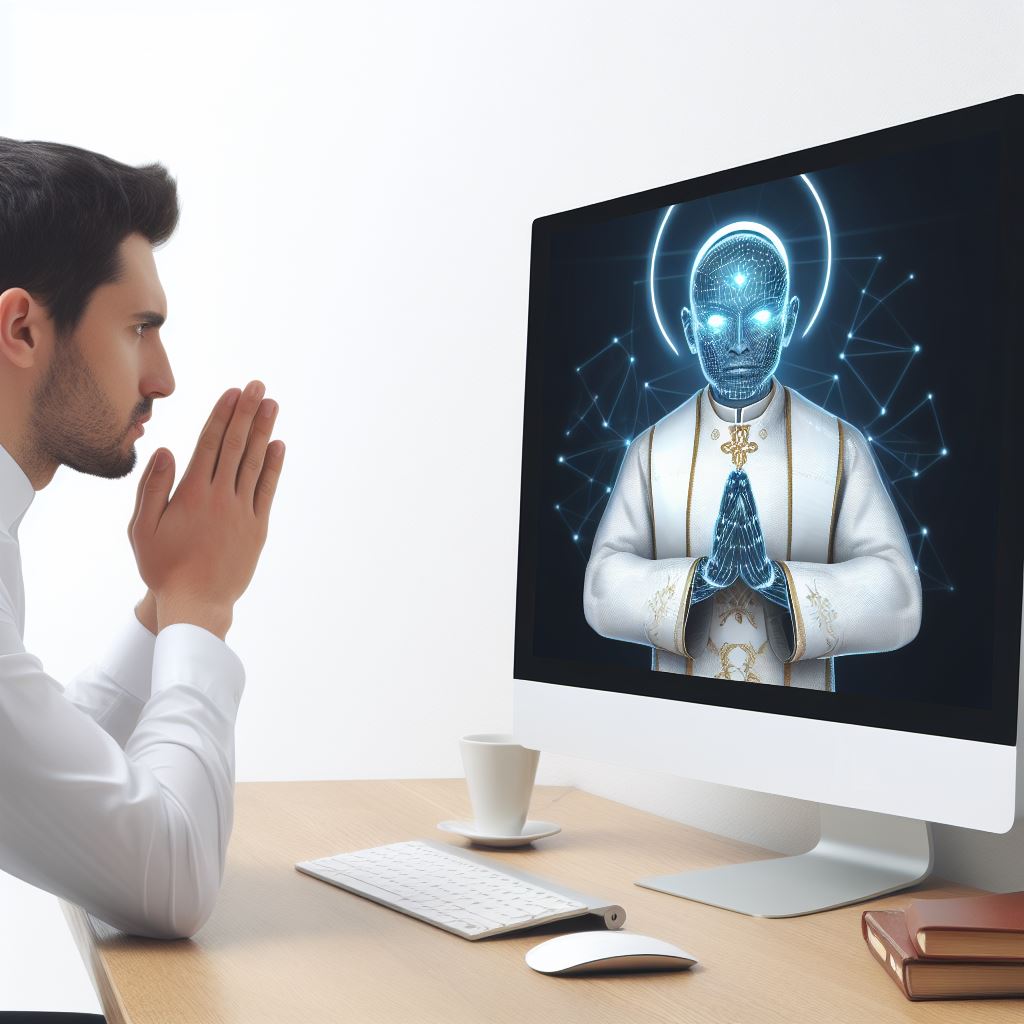
Spiritual Conversation with AI The development of Open AI (GPT-3 and its successor), has generated huge public interest in the capacity of AI. There is a mixture of excitement about what AI is now capable of, but also alarm about the consequences of these new capacities. One interesting question, especially for those concerned with the interface between science and religion, is the capacity of AI for spiritual conversation and counselling. Even before the machine learning approach of Open AI, there were indications that automated spiritual conversation might be possible. The early work of Joseph Weizenbaum in the 1960s, using a simple Chatbot methodology, suggested that computers could perform passably in providing non-directive counselling. The computer simply picked up verbal cues and responded appropriately. So, for example, if the

By |2023-10-15T15:34:17+01:00October 15th, 2023|Categories: Blog|Tags: , , , , |

September 2023 Blog Post

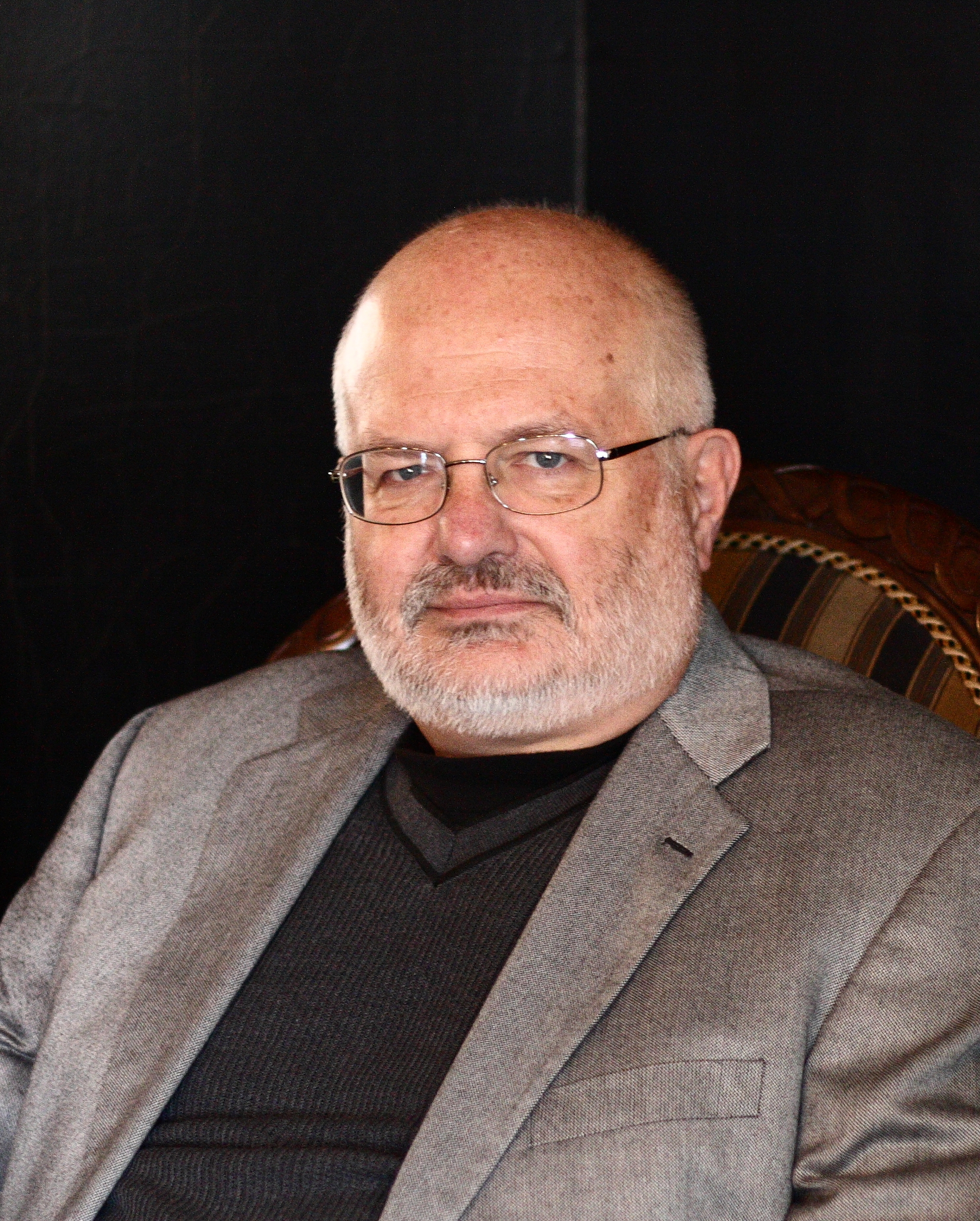
Remembering Ron Numbers Edward J Larson and Michael Ruse   Recollections of Ron Numbers by Edward J. Larson I first met Ron – Professor Numbers then, of course – when I returned to the University of Wisconsin in 1982 to complete my Ph.D. in the history of science. He had been there by the mid-1970s, when I earned my M.A. in field, but I had not known of him then.  After being exiled from Loma Linda College for having lost his Adventist religious faith and documenting the reasons, Ron found refuge at UW in some sort of position that eventually evolved into a chaired professorship. Ron had achieved tenure at Wisconsin by the time I met him but yet renowned. My intended major professor Bill Coleman having died,

By |2023-09-15T23:22:26+01:00September 15th, 2023|Categories: Blog|

August 2023 Blog

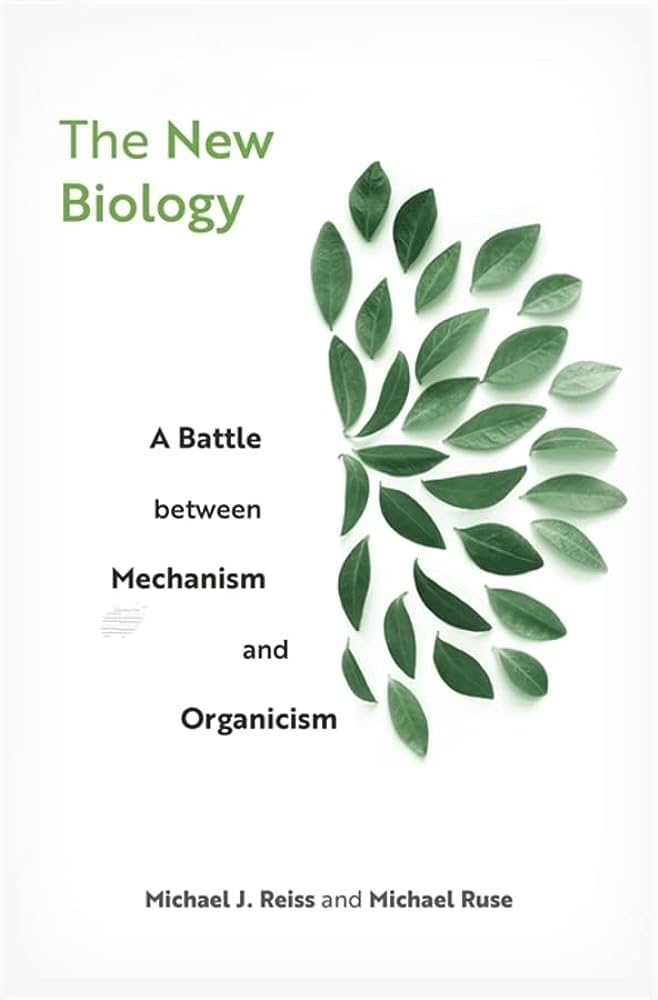
The Battle between Mechanism and Organicism in Biology   Michael J. Reiss and Michael Ruse   The Scientific Revolution, which we can conveniently bracket as lasting from Copernicus to Newton, was above all a change in what linguists call ‘root metaphors’, from seeing the world as an organism – organicism – to seeing the world as a machine – mechanism. To use other language, science pre-Revolution demanded that one think of entities as functioning wholes, ‘holism’; science post-Revolution worked by looking at entities as composed of individual parts, ‘reductionism’. However, the flies in the mechanistic ointment are living organisms. They seem too intricately constructed for many to think that they could be the product of the blind laws we associate with machines.   People worried about this problem

By |2023-08-15T18:40:53+01:00August 15th, 2023|Categories: Blog|

July 2023 Blog

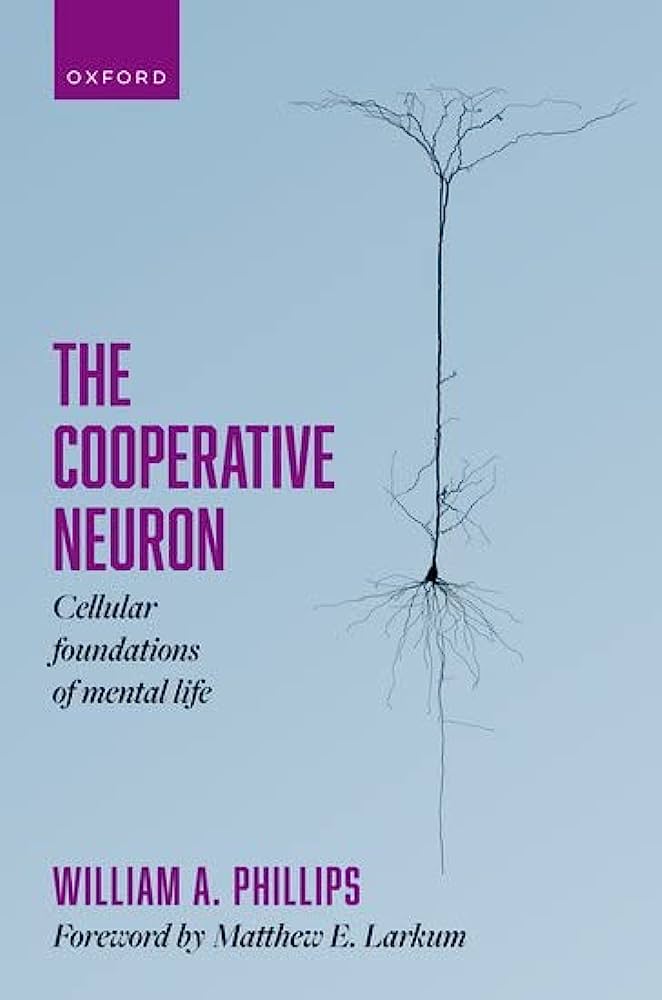
Mind’s Role in Nature Bill Phillips   The common assumption of a fundamental separation between science and religious faiths resonates with the common assumption of a fundamental separation between minds and brains. Indeed, many take it for granted that religious faiths and ethics are creations of the human mind. Maybe they are, but, even if so, they are not thereby either invalidated or isolated from science. If minds are thought of as being fundamentally separate from brains, then minds, faiths, and morality can be thought of as existing within a fundamentally different realm from that of brains and science. Recent discoveries relating basic aspects of mental life to their cellular foundations may therefore be of interest to many in the ISSR and beyond because they imply that religious

By |2023-07-15T22:22:59+01:00July 15th, 2023|Categories: Blog|

June 2023 Blog

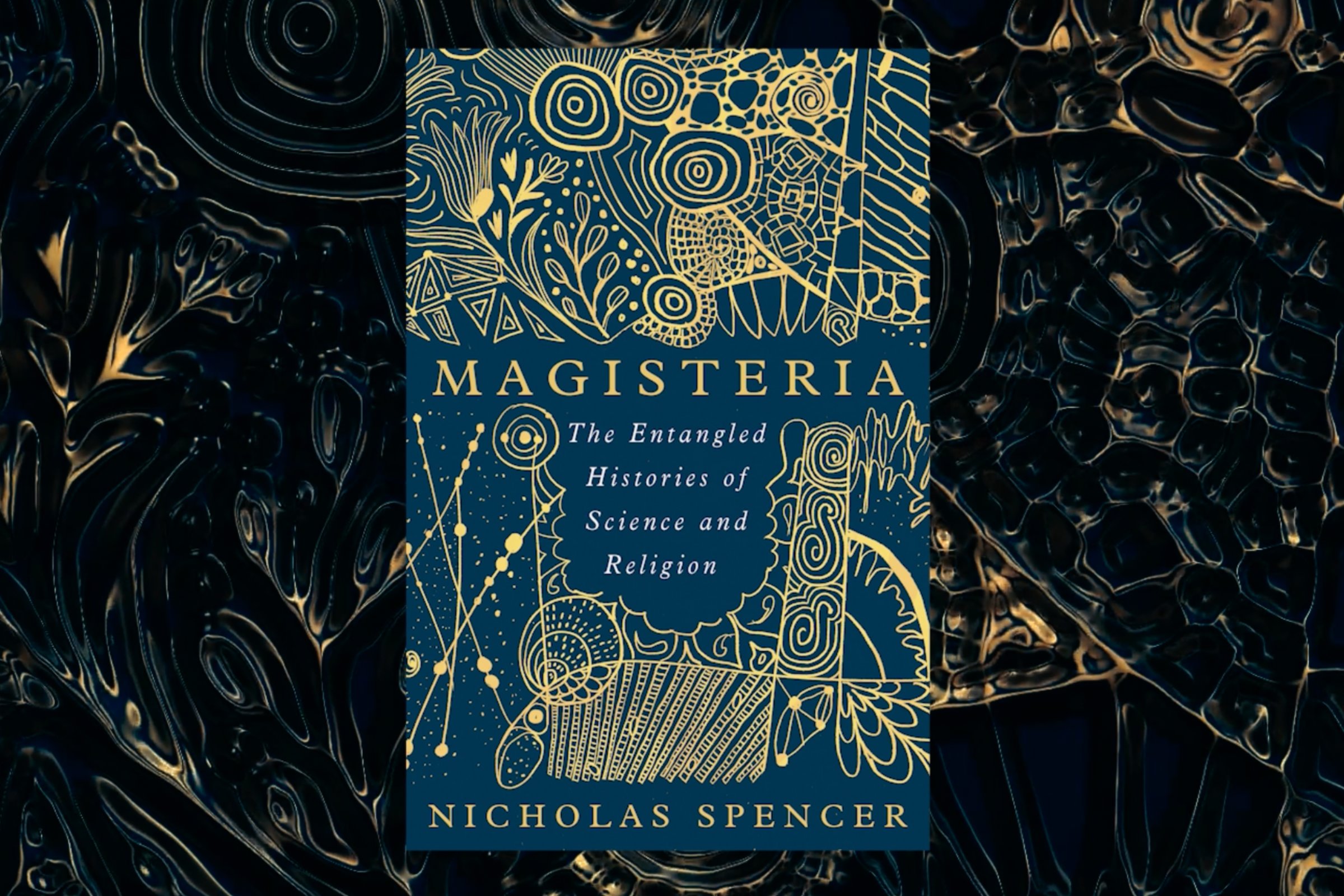
Magisteria Attempts to ‘tidy up’ the relationship between science and religion, either the historical relationship or any normative understanding of their interaction, are, it seems, doomed to failure. The two have been shackled together by dint of a powerful but ill-fitting metaphor for about 150 years, since the chemist and would-be intellectual historian John Draper helped reify the disciplines and their alleged relationship in his book History of the Conflict between Religion and Science. His idea that the two entities were in fundamental conflict was true enough to be believable, at least in the atmosphere of the later nineteenth century, if not true enough to be actually true. The metaphor stuck. Attempts to revise this model have been underway since the history of science and religion became its

By |2023-06-15T18:49:10+01:00June 15th, 2023|Categories: Blog|

April 2023 Blog

Obituary: Thomas Charles Buckland McLeish FRS, FRSC, FInstP, FISSR (1962-2023) One of the most energetic and creative figures in the fields of both theoretical physics and science-and-religion, Prof Tom McLeish, died on the 27th February 2023. Tom’s vivacious mind, fuelled by both wonder and curiosity, defied modern disciplinary boundaries. Even his primary specialism, soft matter physics, sits at the intersection of physics, biology and chemistry— but his interests reached far wider than this. Tom’s extraordinary success in pursuing a diverse range of interests is well captured by his final job title, which he told me he could not quite believe had been permitted to choose and often delighted in sharing, ‘Chair in Natural Philosophy’ in the Department of Physics and the Centre for Medieval Studies at the University

March 2023 Blog

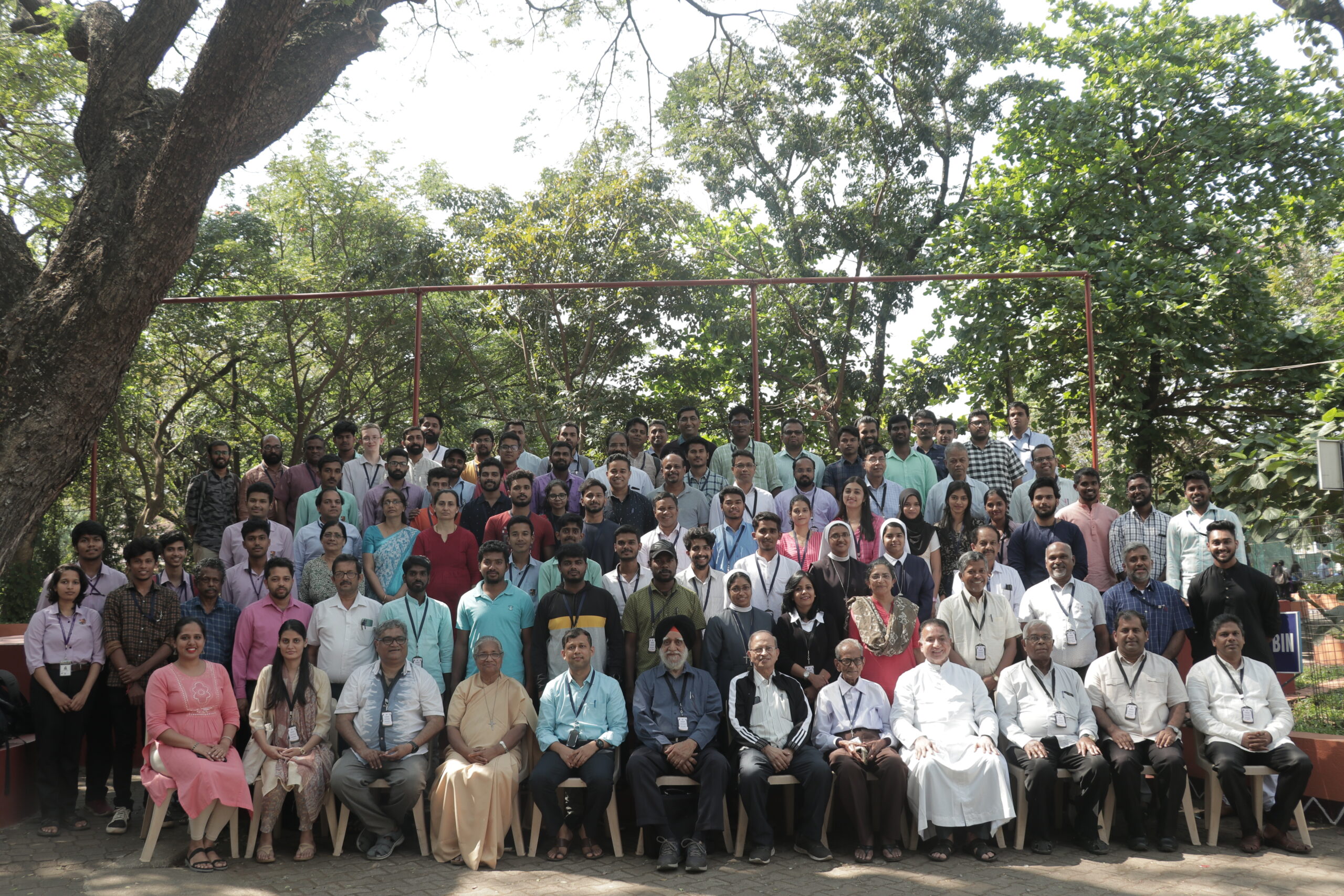
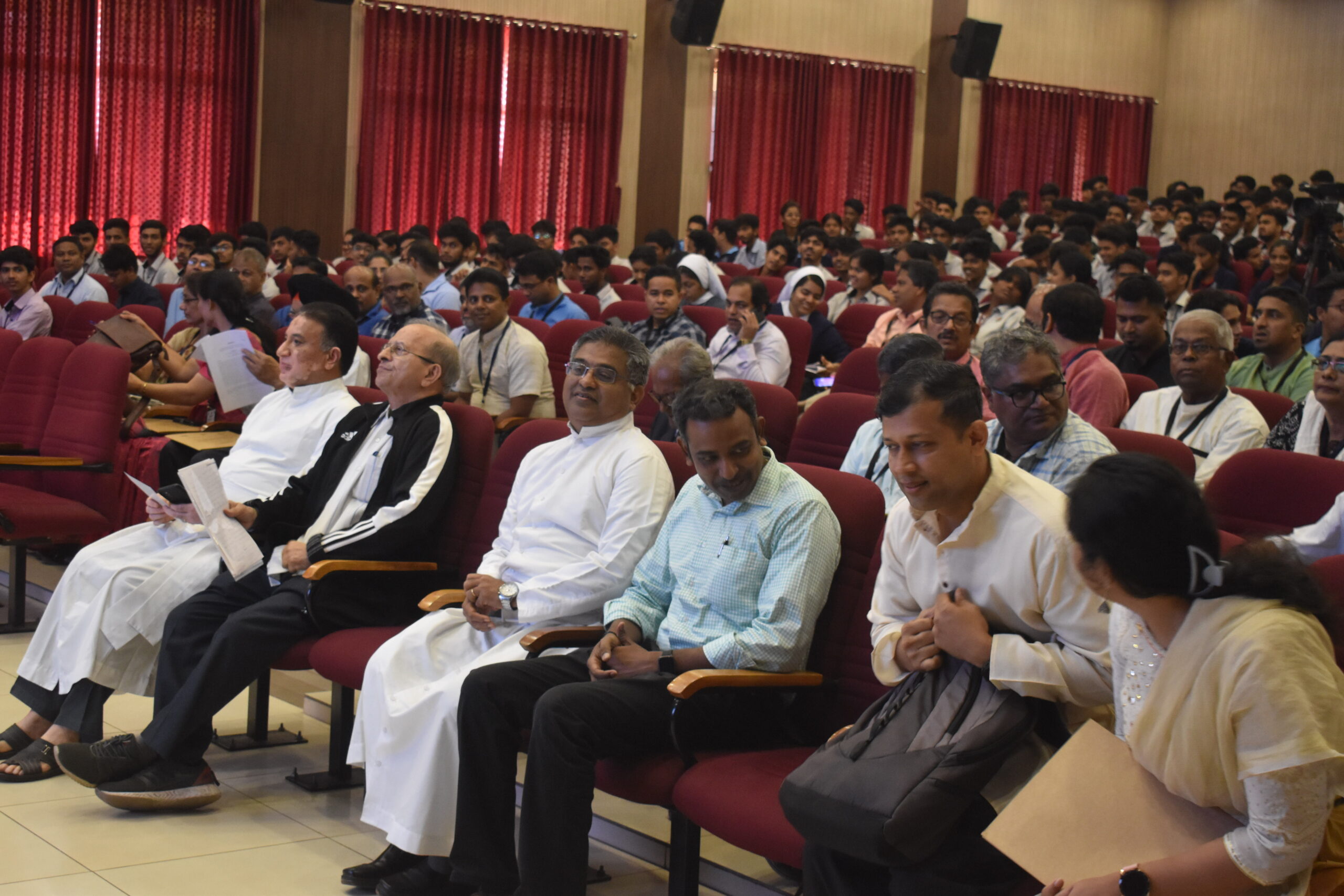
IISR Delhi International & National Symposiums AI-Robotics Revolution & Science-Religion Dialogue Job Kozhamthadam, SJ.   Ever since its inception 25 years ago, IISR (Indian Institute of Science and Religion) Delhi has been organizing much-appreciated international symposiums on cutting-edge developments in science and technology and their impact on human society and religion. These megaevents have been IISR’s attempt to translate into practice its ambitious vision of blending harmoniously the latest findings of modern science and the deepest insights of religions to build up a better humanity, a richer world and a more humane India, particularly in the multireligious, multicultural and multiracial fabric of India. In the past it has organized 13 international symposiums on epoch-making scientific breakthroughs like the discovery of the God-Particle (Higg’s Boson) in 2012, discovery of

By |2023-03-16T01:07:48+00:00March 16th, 2023|Categories: Blog|Tags: , , , , , , |

February 2023 Blog

Spiritual Intelligence by Fraser Watts The apparently simple little adjective, “spiritual”, is more complicated than it looks, and there are significant issues about what it means. It is currently being used in a variety of contexts. I will focus mainly here on spiritual intelligence, but also briefly note parallel discussions about spiritual healing, and the spiritual turn. There is talk of “spiritual healing”, but what is “spiritual” about such healing? Some years ago Sarah Coakley and I jointly led a consultation on spiritual healing. In subsequent publications we have both grappled with how to conceptualise spiritual healing. In her recent book, Spiritual Healing: Science, Meaning and Disenchantment, Coakley makes a distinction between healing that is not strictly physical and healing that is framed in terms of God. In

By |2023-02-16T15:32:16+00:00February 15th, 2023|Categories: Blog|Tags: , , , , , , |

January 2023 Blog

Science, Religion … and Literature by The Revd Canon Dr Michael Fuller   How do people engage with issues around science and religious belief? Readers of this blog will of course be familiar with the contours which the ‘science and religion debate’ have followed since Ian Barbour’s groundbreaking work in the 1960s: the search for philosophical, methodological and historical ‘bridges’ which might link these two areas of human activity, the focus on ‘hot topics’ like divine action and the mind-body problem, and so on. More recent developments have seen the extension of the field of science and religion studies to acknowledge non-Western religious traditions – and to acknowledge also the richly varied nature of the scientific enterprise. Science and religion are now rightly thought of as complex

Go to Top